Furnace Types | Gas, Electric or Oil Furnace Which one is best?
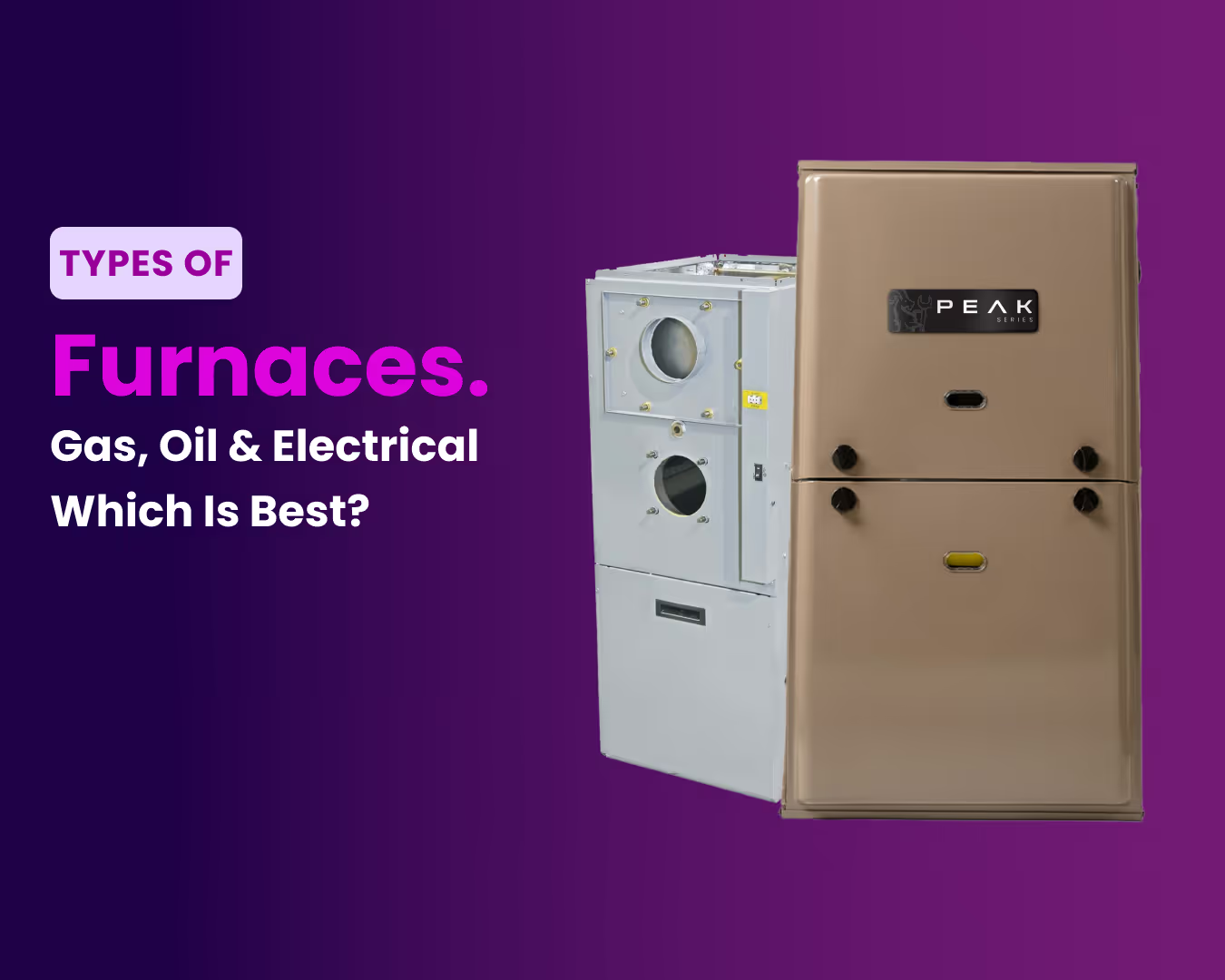
Gas, electric, and oil furnaces can all heat your home, but they differ in fuel source, cost, efficiency, maintenance, and heating performance.
The best furnace depends on your climate, home size, available fuel sources, and budget. Comparing these factors can help you choose the right heating system for your home.
Gas vs. Oil vs. Electric Furnaces: What’s the Difference
The biggest difference between furnace types is how they create heat.
Gas furnaces burn natural gas or propane, oil furnaces burn heating oil stored at your home, and electric furnaces use electric heating elements.
Your home's size also matters. A professional load calculation helps determine how much heating capacity your home actually needs. Learn more about Manual J sizing and choosing the right furnace size.
Comparing Gas, Oil & Electric Furnaces
Gas Heating
Gas furnaces use natural gas or propane to create heat and are a strong choice for colder climates and larger homes.
Best for: Homes with natural gas or propane access.
Benefits:
- Strong, consistent heating
- High-efficiency options available
- Often lower operating costs in many areas
Consider: Gas systems require proper venting, carbon monoxide safety, and annual maintenance.
Learn more about professional furnace installation and furnace repair.
Oil Heating
Oil furnaces burn heating oil stored in a tank at your home.
Best for: Rural properties and homes without natural gas service.
Benefits:
- Strong heat output
- Performs well in cold climates
- Works well for homes with existing oil systems
Consider: Oil requires fuel deliveries, tank storage, and more regular maintenance.
If you are considering switching fuel types, Peak’s estimate process can help you compare your options.
Electric Heating
Electric furnaces use electric heating elements instead of burning fuel.
Best for: Smaller, well-insulated homes or properties without gas or oil access.
Benefits:
- No fuel storage
- No on-site combustion
- Simple operation and installation
Consider: Operating costs can be higher depending on local electricity rates.
For more efficient electric heating options, learn how heat pumps work or explore ductless mini-splits.
[ADD INFOGRAPHIC – Comparing Gas, Oil & Electric Furnaces]
How To Decide And Next Steps With Peak Heating And Cooling
Start with a Manual J load calculation to determine the right system size, then compare gas, oil, and electric costs based on your home and available fuel sources.
You can also review Peak Pricing and Peak Guarantees when comparing installation options.
Before choosing a system, check current offers, Peak Maintenance Plans, payment plans, and 15-Year Warranty eligibility.
When you are ready, book a visit through Schedule Now or Contact Us.